In 2024, the global automotive market was valued at approximately $2.2 trillion, with growth expected to reach a value of $2.8 trillion by 2033. To support this multi-trillion-dollar industry and all its moving parts, immersion cleaning is a beneficial process used by manufacturing and remanufacturing companies to increase production, reduce waste, and improve quality to meet customer demands and provide a competitive edge.
What is Immersion Cleaning?
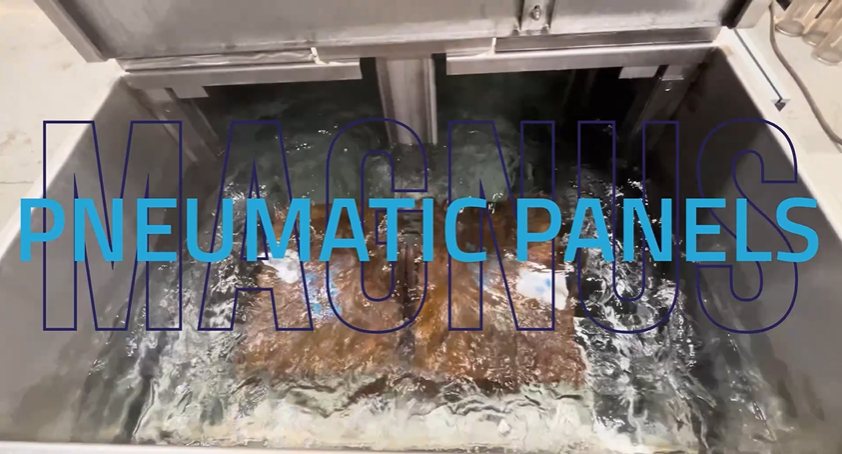
In the world of (re)manufacturing, immersion cleaning is a process used to thoroughly clean components by completely submersing them in water or cleaning solutions. Smaller parts are often placed in a special type of basket prior to entering the tank, while larger parts may rest solely on a platform before being lowered into the solution. This process can allow several parts to be cleaned at once, saving on production time and operator energy. Some immersion cleaning tanks are equipped with electric or pneumatic controlled agitation platforms, where the components are continuously and automatically moved up and down within the solution. This process thoroughly cleans the part surfaces and helps flush out small holes where particulates, oil, and grime tend to build up.
Now that Immersion Cleaning has been defined, here are 11 examples of how it supports the Automotive Industry:
1) Vigorous Cleaning Capabilities – With so many different parts being produced for automotives, there are many opportunities for particulates to build up in small holes. When equipped with vertical agitation, continuous flushing of hard-to-reach interior areas is performed.
2) Automatic Processes – Options such as cycle timers, automatic tank lids, and automatic water addition help make the parts cleaning process easier for operators, allowing them to focus on increased production and quality management.
3) Platform Load Capacity – Whether a load weighs 4 lbs. or 4000 lbs., immersion tanks can be built with a platform load capacity that will handle the job and get the parts clean.
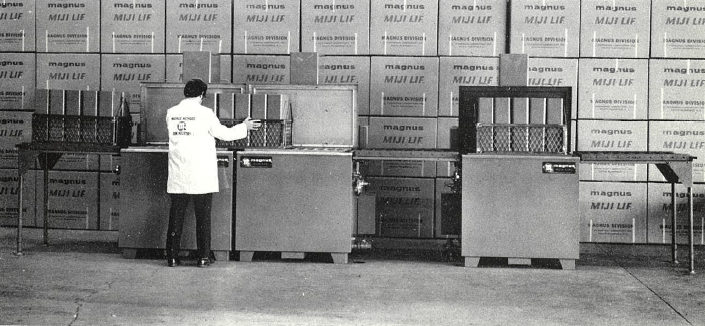
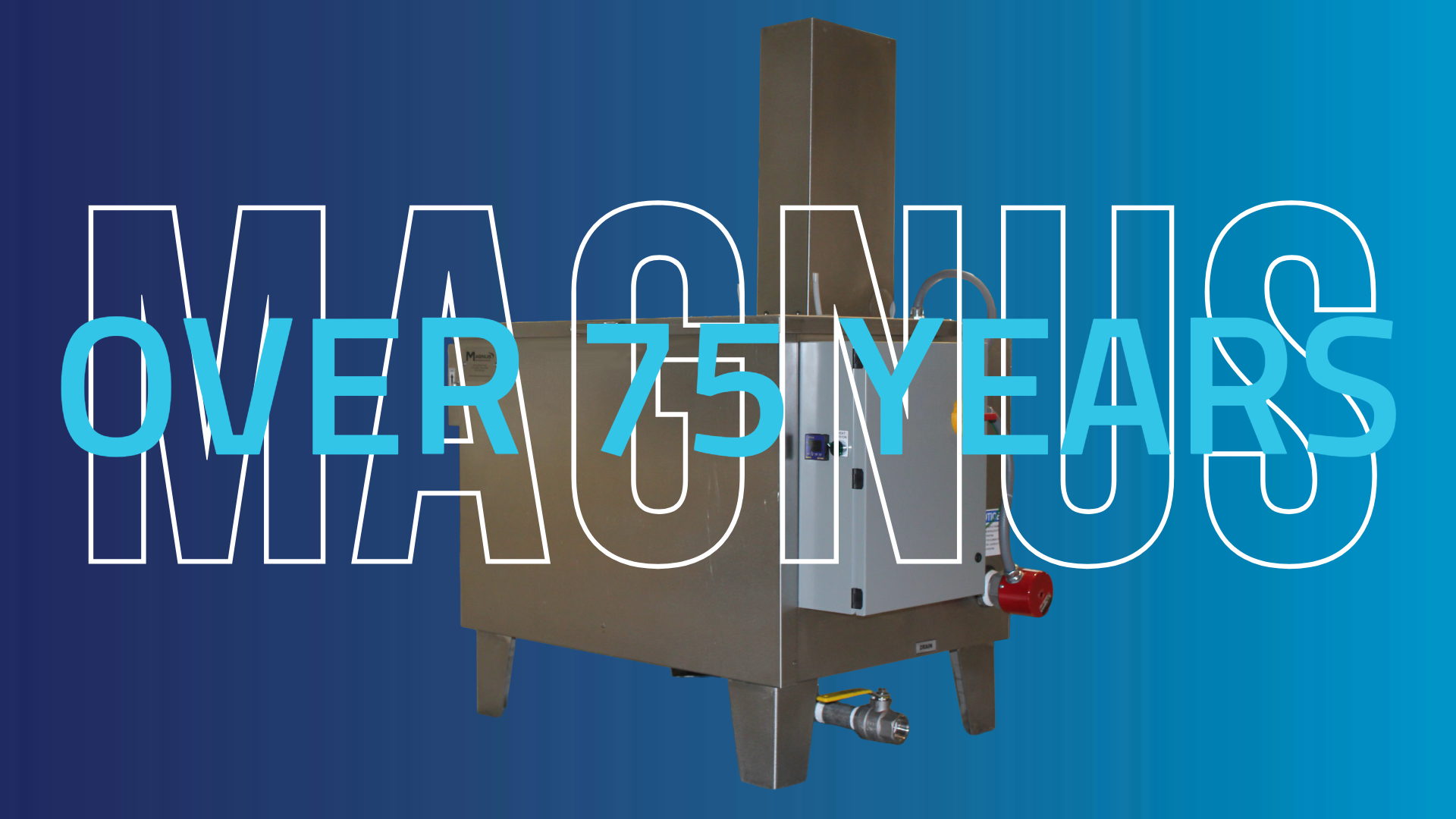
4) Highly Customizable – Immersion cleaning tanks can be customized to suit many different manufacturing needs. Built for a fuel-pump manufacturer in New York, the Magnus ML50 (Miji-Lif) shown here has custom features including a seven-day timer for automating cycles, electrically controlled platform agitation, and a lid interlock system that automatically stops agitation when the lid is opened during a cleaning cycle.
5) Inline Immersion Systems – Multiple immersion tanks can be connected to form an Inline System, allowing multiple large parts or baskets of parts to be cleaned simultaneously in separate tanks. Additions such as roller platforms or custom load fixtures streamline the process even further.
6) Heated or Unheated Options – Whether a step in the automotive manufacturing process calls for high cleaning temperatures or simply requires a part to be soaked, immersion tanks provide an effective solution. Electric, gas, or steam are all options for when heated cleaning is required.
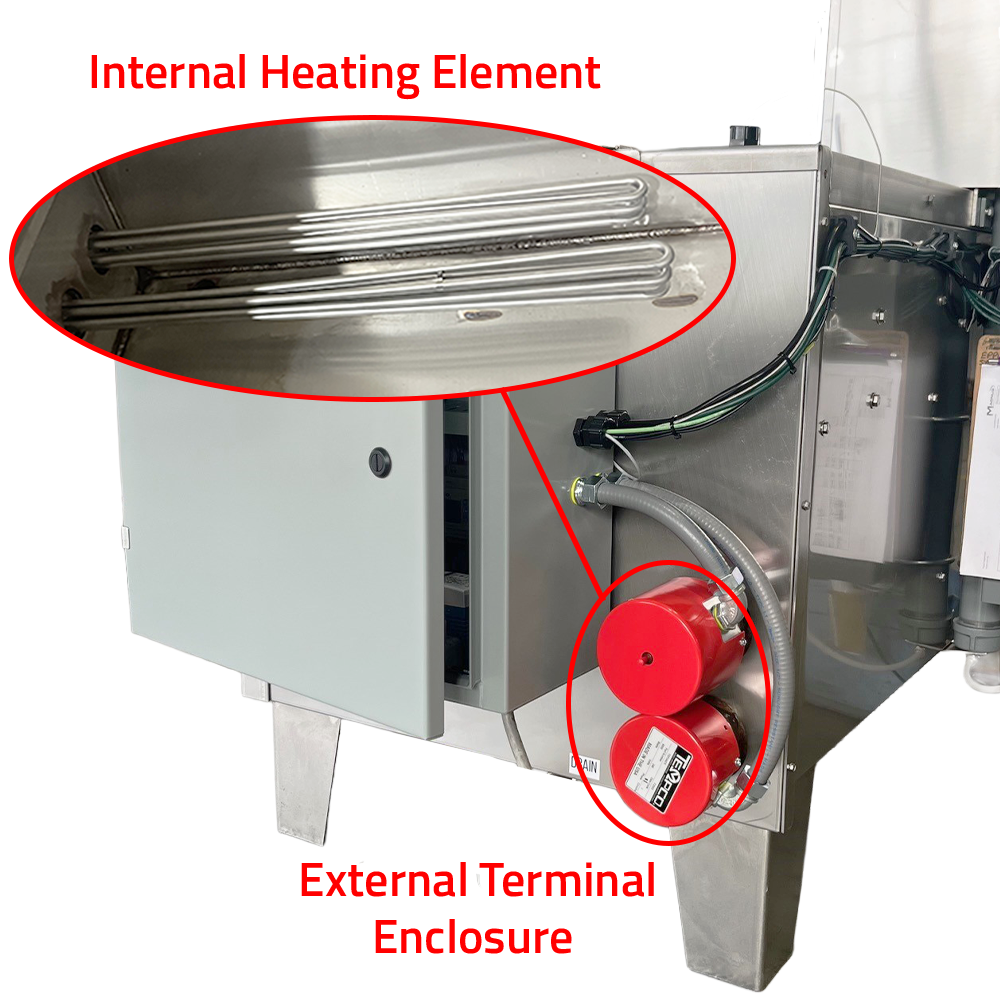
7) Compatible with Ultrasonic Technology – Some companies offer the ability to equip their immersion tanks with innovative ultrasonic technology, which cleans using a process called cavitation. In the parts cleaning industry, cavitation refers to a physical phenomenon that occurs when high frequency soundwaves create microscopic bubbles in a liquid. These bubbles rapidly form and collapse, generating energy in the form of shockwaves and heat, effectively dislodging and removing contaminants.
8) Designed with Cellular Manufacturing Layouts in Mind – With Smart Manufacturing practices in place throughout many automotive companies, the footprint of production equipment is extremely important. Immersion tanks designed to be modular help promote efficiency and time management on the production floor. The video shown here displays a system with multiple stages condensed in an ergonomical, cubed layout.
9) Cut Down on Maintenance Time – In a high-demand industry such as automotive, utilizing every moment of the production process is crucial. To reduce time spent on maintenance items such as replacing the tank bath or chemical solution, immersion tanks can be equipped with filtration systems. Their purpose is to draw used bath/chemical from the tank and filter it
through an external system to remove particulates before returning filtered bath/chemical back in.
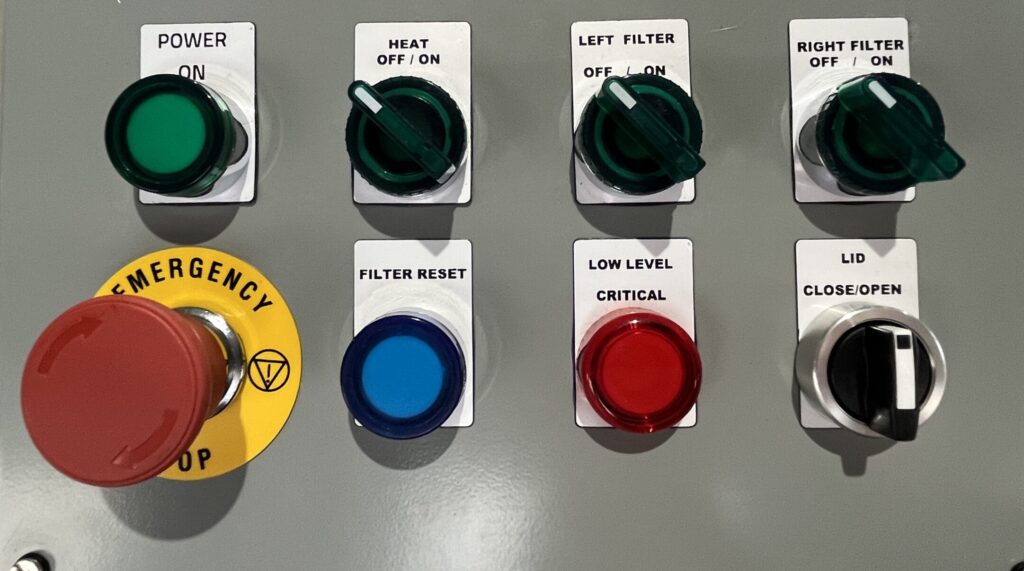
10) Safety for Operators & Machine Longevity – The automotive industry is built on exacting standards of safety, and most immersion cleaning tanks have several safety features in place. Examples include low water level process lockout, liquid overflow ports, and easily accessible emergency stop buttons.
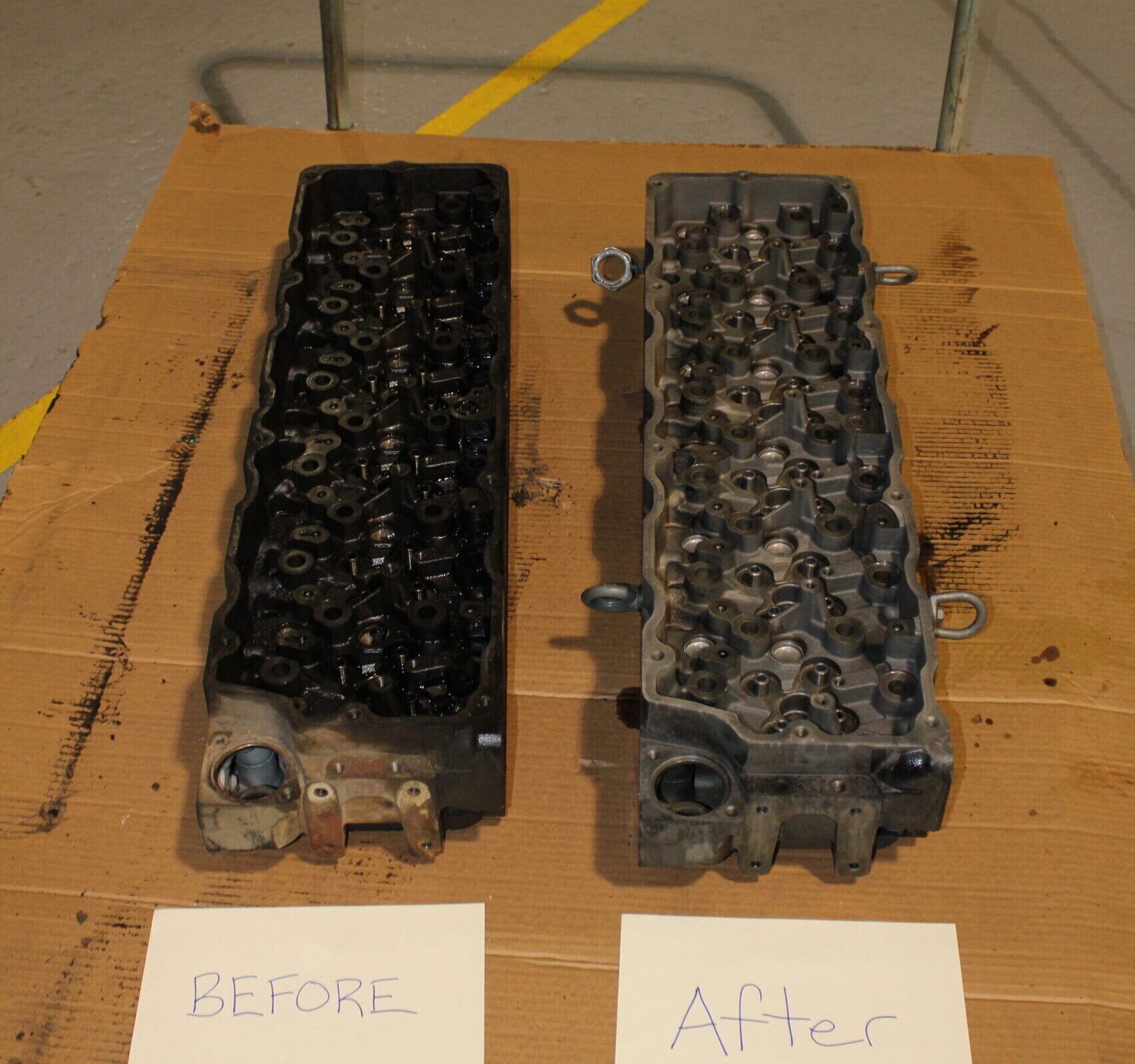
11) Supports Success in Remanufacturing – Environmental and financial impacts are a constant focus in the automotive industry, and remanufacturing parts instead of scrapping them helps ease the strain of both issues. With immersion cleaning, used automotive parts can be thoroughly cleaned as part
of the remanufacturing process, giving them a better chance at successful reinstalment and future operation.
Want to learn more about how Immersion Cleaning can help the Automotive Industry? We have over 100 years’ experience in the Industrial Parts Washing business, and we love to talk about it! Feel free to call us at 440-942-8488 or send an email to info@magnusequipment.com.

![The Immersion Cleaning Tank Guide You Didn’t Know You Needed [With Pictures!]](https://solutions.magnusequipment.com/wp-content/uploads/2025/09/immersion-cleaning-web-banner.png)